June 16–18, 2026 · Lighthaven, Berkeley

Reproductive Frontiers Summit 2026

Three days exploring the perils and promise of emerging reprotech

Register

About the Summit

Advanced assisted reproductive technologies hold tremendous potential to change people’s lives for the better. IVF has already made it possible for millions with infertility to reproduce, and polygenic embryo screening is allowing parents to lower their children's genetic predisposition to diseases. We may sit on the cusp of in vitro gametogenesis offering millions more, including gamete-mismatched couples, the chance to have genetically related children. Looking further ahead, artificial wombs could eliminate the physical toll and medical risks of pregnancy. Embryo gene editing, gamete selection, and other reprogenetic technologies may soon further empower parents to make genomic choices on behalf of their future children with appropriate guidance and guardrails from clinics and genetic counselors.

If reprogenetic technologies can be developed in forms that are safe, widely accessible, effective, autonomy affirming, and socially legitimate, they would help enable parents to give their future children genomic foundations for a life that is good as the parents understand it—e.g. healthy, happy, long, and/or capable. Getting there requires addressing a whole set of technical, social, and ethical issues.

At this year's Reproductive Frontiers Summit, we'll spend three days together at Lighthaven in Berkeley, CA. Join us there to discuss current technologies, recent scientific advances, questions, and plans for the future!

Note: Speakers and attendees will have a wide range of views on reprogenetics and other reproductive technologies, including many skeptical or critical views. Speaking or attending does not imply endorsement of any particular view.

Who Will Be There?

  • Scientists & researchers
  • Startup founders & technologists
  • Experts on regulation & ethics
  • Investors & grantmakers
  • Interested parents
  • Potential talent

Logistics

Dates
June 16–18, 2026
Venue
Lighthaven, Berkeley, CA
Food
Catered meals provided at the venue
Tickets
Standard: $425
Financial Aid
Available — contact us if cost is a barrier
Contact
reprofro2026@reproductivefrontiers.org

Featured Speakers
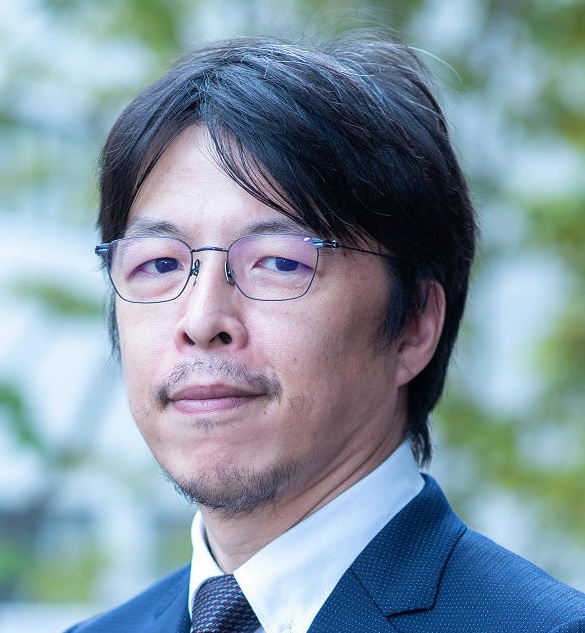
Prof. Katsuhiko Hayashi
Title: Reconstitution of Gonadal Systems Toward Functional Gametes and Somatic Cell Lineages

Abstract: In vitro gametogenesis is revealing the molecular mechanisms that govern the production of functional gametes during sex-dimorphic gonadal differentiation, and it points to potential applications in the treatment of infertility. In this presentation, I will summarize recent advances in in vitro gametogenesis, with a particular focus on reconstituted gonadal environments.

Prof. Sonia Suter
Prof. Sonia Suter
remote
Title: The Ethics of Regulating Reproductive Technologies

Abstract: Various reproductive technologies raise a host of ethical issues and raise questions about the appropriate regulatory framework. Deciding whether and how reproductive technologies should be regulated, however, raises its own set of ethical concerns. This talk will highlight some of the ethical issues surrounding reproductive technologies and consider the ethical implications of different regulatory frameworks.

Ben Podgursky
Ben Podgursky
Title: Embryo screening and rare disease

Abstract: About 1 in 10 people in the United States are estimated to live with a rare disease, mostly genetic in origin, making rare disease a major contributor to overall morbidity and healthcare burden despite the low prevalence of any single condition. Advances in whole-genome sequencing and preimplantation genetic testing are now making it realistic to reduce this burden through IVF and embryo screening, by screening for both inherited disorders and de novo genetic disease. This talk will explore how emerging whole-genome embryo screening tests integrate with and expand on traditional screening to help parents reduce the risk of monogenic disease in their children.

Dr. Paula Amato
Dr. Paula Amato
Fertility science and ARTs
Dr. Alejandro Aguilera-Castrejon
Title: Reconstituting mouse embryogenesis ex utero

Abstract: Mammalian development takes place inside the maternal uterus, creating technological constraints that make the study of embryogenesis in live developing embryos difficult. A central challenge for understanding the role of metabolism in mammalian development is discriminating placental and uterine-regulated signals from embryo-intrinsic processes independent of maternal influence, a process that until now has remained inseparable during gastrulation and organogenesis. Ex utero culture systems allowing continuous growth of embryos during pre-gastrulation to organogenesis offer a promising solution to this challenge. I will present optimized ex utero culture platforms that support faithful development of mouse embryos from gastrulation (embryonic day 6.5/7.5) through the fetal period (embryonic day ~12.5) and harnessed these platforms for dissecting metabolic transitions in vivo during embryogenesis independently of uterus and placenta.

Prof. Jun Wu
Prof. Jun Wu
Title: Human blastoids, implantation and implantation failure

Abstract: Understanding human implantation is critical for improving assisted reproduction and addressing recurrent implantation failure (RIF), yet direct study is limited by ethical and material constraints. To overcome this, we developed a 3D in-chip implantation model in which human blastoids or blastocysts are co-cultured with bioengineered endometrial tissue ("endometrioid"). This system recapitulates key features of implantation and early post-implantation development. Notably, RIF-derived endometrioids show significantly reduced implantation capacity compared to fertile controls. A targeted screen of FDA-approved compounds further identified candidates that restore implantation efficiency in RIF models. Together, this platform enables mechanistic dissection of implantation failure and provides a scalable framework for therapeutic discovery to improve embryo–endometrium interactions.

Dr. Ivana Muncie-Vasic
In vitro maturation
Prof. R. Alta Charo
Prof. R. Alta Charo
Ethics and regulation for biotech
Prof. Todd Lencz
Prof. Todd Lencz
Genetics of psychiatric disorders
Prof. Henry Greely
Prof. Henry Greely
Bioethics of reproductive technology
Prof. Kotaro Sasaki
Prof. Kotaro Sasaki
Title: Generation of spermatogonia from pluripotent stem cells in humans and non-human primates
Prof. Jonathan Beauchamp
Polygenic prediction
Dr. Aimee Eyvazzadeh
Clinical IVF and PGT-P
Dr. Sergiy Velychko
Dr. Sergiy Velychko
Soxogen, fmr. Church lab
Inducing naive pluripotency
Prof. Shai Carmi
Prof. Shai Carmi
remote
Title: Screening of human embryos for late-onset disease risk: Will it work and what are the risks?

Abstract: The genetic composition of embryos generated by in vitro fertilization (IVF) can be examined with preimplantation genetic testing (PGT). Until recently, PGT was limited to detecting high-risk pathogenic variants or chromosomal abnormalities. Recent advances have made genome-wide assessment of IVF embryos feasible and affordable, raising the possibility of screening embryos for their risk of multifactorial late-onset diseases such as breast cancer, hypertension, diabetes, or schizophrenia. Despite a heated debate around this new technology, it is already available to IVF patients in some countries. I will review the current status of the technology and considerations for and against offering it. In particular, I will cover ethical and social concerns, stakeholder attitudes, models for predicting risk reductions, practical limitations, and possible harms to patients.

Travis Potter
Travis Potter
In vitro gametogenesis startup

Abstract: In vitro gametogenesis (IVG), the creation of eggs and sperm from ordinary cells, could fundamentally reshape reproductive medicine. Almost a decade ago, mouse studies proved the concept, and researchers are now pursuing two main strategies to translate IVG to humans: cytokine signaling and transcription factor overexpression. Each involves distinct tradeoffs in efficiency, safety, and scalability. We will examine where the science stands today and what the near future holds. The potential market starts with women for whom IVF egg retrieval is ineffective, but will eventually expand to include most IVF patients as IVG will be less invasive and cheaper over time. Regulators around the world are preparing for the arrival of IVG; nonhuman primate births will be the first milestone. After these safety studies, IVG will enter trials and become available at different rates around the world depending on each country's regulatory environment.

Spencer Moore
Spencer Moore
Title: Innovation in polygenic risk scoring for embryo screening

Abstract: Advanced polygenic risk scores (PRS) aggregate the effects of millions of genetic variants to estimate an individual's predisposition to complex diseases such as diabetes, cancer and schizophrenia as well as propensity for cognitive traits such as high intelligence. The application of PRS in preimplantation genetic testing (PGT-P) requires that they be sufficiently predictive of outcomes and ancestrally portable to realize large risk reductions and trait gains in embryo screening. This talk describes improvements on both axes achieved through the use of data and methods previously untapped for this purpose.

Iris Lam
Iris Lam
Title: Rethinking Oocyte Aging: From Historical Intuition to Cellular Intervention

Abstract: For thousands of years, humans have tried to extend female fertility, from ancient herbal remedies to myths of late-life conception, all reflecting a deep intuition that reproductive aging might be reversible. Modern medicine has made progress in bypassing this decline through IVF and donor eggs, yet we still lack a way to directly improve the quality of aging oocytes. In this talk, I will trace the arc from historical attempts to current scientific approaches, and introduce a new strategy focused on rejuvenating the follicular environment to restore egg quality.

Prof. Christopher Gyngell
remote
Title: The Ethics of Polygenic Genome Editing

Abstract: Recent advances in genome editing have made it theoretically possible to modify multiple genetic variants associated with polygenic traits. This talk explores the ethical implications of polygenic genome editing, including its potential applications in both disease prevention and enhancement, and considers the regulatory and social challenges it raises.

Vincent Joralemon, JD
Title: Stem Cell Ethics & Innovation-Positive Governance

Abstract: It's easy to treat regulation as an obstacle to innovation, a reasonable instinct given the current U.S. landscape of fragmented oversight, embryo personhood litigation, and Congressional funding riders. But three decades of embryo research governance tell a different story. A series of federal instruments, all enacted with primary ethical intent, collectively created a regulatory environment that channeled billions of dollars in research investment toward innovations like induced pluripotent stem cells, producing a multi-billion-dollar field, over 116 clinical trials, and the first approved iPSC-derived therapies in 2026. Drawing on this case study alongside parallels from other fields, this talk asks three questions. First, how do ethically driven regulatory constraints redirect, rather than simply block, scientific innovation? Second, what distinguishes regulatory frameworks that channel productively from those that merely prohibit? And third, what can the reprogenetics community learn from these examples as it navigates governance challenges of its own?

Dr. Eriona Hysolli
Dr. Eriona Hysolli
Founder/Stealth; fmr. Manhattan Genomics, Colossal
Embryo gene editing
Dr. Jonathan Anomaly
Title: What is Informed Choice? Polygenic risk and reproductive autonomy

Abstract: This talk will consider what information embryo screening companies should provide to ensure informed parental choice. This includes publishing and explaining validation studies that show how well their polygenic scores perform within families and across ethnic groups. It also includes investigating and disclosing potential pleiotropic (or "off-target") effects of traits for which the company offers polygenic scores.

Dr. Jeff Hsu
Dr. Jeff Hsu
In vitro gametogenesis startup
Dr. Eric Schulze
Dr. Eric Schulze
Creating new regulatory pathways
Landice Gao
Landice Gao
Artificial wombs
Chris Bradley, MS
Chris Bradley, MS
Longevity genes and ecNGS
Chase Denecke
Chase Denecke
Polygenic embryo screening (customer outreach)

2025 Recap

Last year's summit saw over 100 attendees, including scientists, startup founders, VCs, and parents.

Watch the talks on YouTube →

Organizers

Tsvi Benson-Tilsen
Tsvi Benson-Tilsen
(Independent nonprofit)
Kali Richards
Kali Richards
Operations generalist